


How Do I Prepare My Truck for Road Trips?

Looking for a fun, affordable getaway this year? Look no further than the road trip. A vacation is only as limited as your imagination. For as long as cars have been around, so has the road trip. You can travel as far as your willingness to drive. People often think of loading into whatever is already in their driveway, but if you’re searching for the perfect road trip vehicle, look no further than a truck. Outfitted with far more cargo space than any sedan or SUV, it’s time to think outside the box-shaped car when considering how to hit the road. If you’re searching the used market for a potential roadtrip-ready vehicle, consider taking a look at used trucks for sale as a viable option: a vehicle great at handling country roads and capable of tackling a variety of weather conditions. But before it’s time to hit the road, here’s a list of road-trip must-haves to help you stay safe and have fun along the way.
#1. Gather All Your Essential Documents
Got your driver’s license and proof of insurance? Great. Another important document to locate is your owner’s manual. It’s loaded with key information on how to service your car in ways that don’t require a mechanic and can get you out of a tight situation, such as needing to refill windshield wiper fluid and how to jump-start your battery. If the original owner’s manual is missing, you can download one online by searching for your vehicle’s make, model, and year. Many brands offer the manual on their website or give a phone number to call for help locating it. And speaking of insurance, plan ahead for anyone else who may take turns at the wheel by making sure your insurance covers additional drivers or that they hold a policy.
#2. Plan For Roadside Assistance
While nobody wants to plan on flat tires and mystery noises coming from under the hood, these things happen. A great way to avert disaster is to have a plan for roadside assistance. Companies such as AAA offer affordable membership options for their customers. Many insurance companies like Nationwide and Geico offer roadside assistance, as do many automakers, as part of the warranty package when buying a new or used car. Roadside assistance can be viewed by the following proverb: it’s better to have it and not need it, than to need it and not have it.
#3. Roadside Emergency Kit
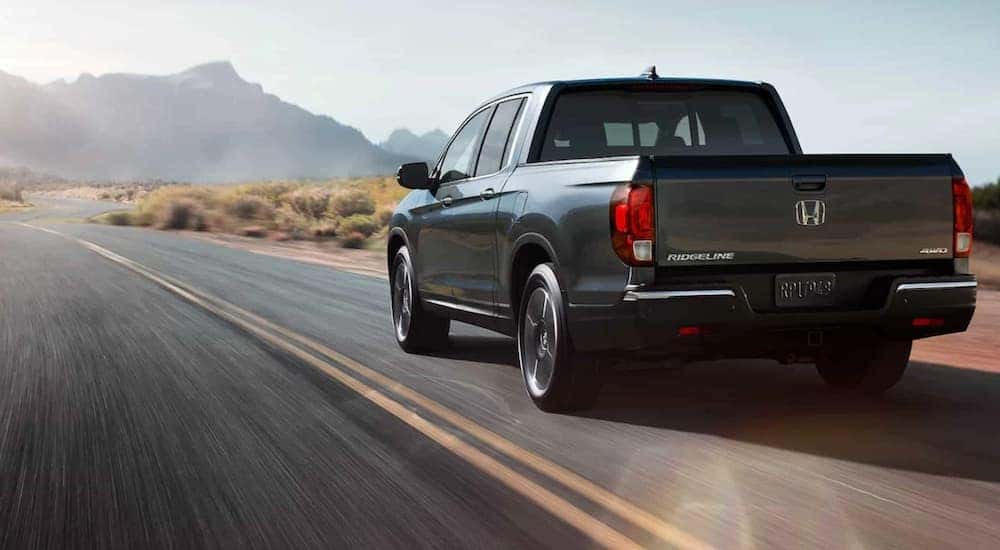
To build off the last item, it’s critical to have a kit handy full of items to keep you safe while you wait for help. Road trips often take us far from city infrastructure, and sometimes assistance can take hours to arrive. Keep yourself safe by storing extra water bottles, jumper cables, a spare tire, a tire pressure gauge, tire sealant, flares, and a reflective vest. Sometimes cars break down in ways that hinder the use of hazard lights, and it’s important to make other drivers aware of your presence.
#4. Check the Tires Before You Go
There are three key things to check involving tires before hitting the road: pressure, tread, and spare tire. For checking the pressure, you can do this yourself if you’ve already got a pressure gauge on hand or find one at your local gas station. Use the gauge to measure the level and fill it to the correct level if needed. The recommended pressure is indicated on the tire pressure sticker on the driver’s side door or in the owner’s manual. Next, make sure the tread of the tire isn’t worn down to a hazardous level. If your tires are fairly new, this won’t be an issue, but if you look and see the tread is worn down and missing its grooves, it may be time for new tires before venturing on a long trip. Finally, plan to bring a spare tire and the tools required to change one. Many cars come outfitted with this kit, but it’s always wise to take a peek and see that it’s there.
#5. Take Your Car for a Multipoint Inspection
Take the guesswork out of safety by making an appointment with your trusted service center and ask them for a multipoint inspection. Many of us don’t have the time or know-how to diagnose our cars, and this is a great way to get peace of mind. A multipoint inspection should ensure the components of your car or truck are working as needed. They will check your tires, brakes, lights, windshield wipers, fluids, and more. If they don’t already, ask your mechanic to make sure the heat and air conditioning are also working.
#6. Clean the Car
If your trip is going to take you into muddy or dusty terrain, you can probably skip the outside, but always make sure your cabin is clean and passenger-ready. Dust the interior, vacuum, and make sure the windows and mirrors are clean for visibility. It’s helpful to bring along a spare bag or two to use as trash collection, especially if you plan on having meals and snacks along the way.
#7. Download, Download, Download
In today’s age of connection, it’s easy to forget that road trips will take us into areas that don’t have the cell reception we are accustomed to at home. Don’t let yourself get lost in your Honda Ridgeline by downloading or printing maps to get to and from your destination. It’s also helpful to download music playlists or audiobooks in case you don’t have enough reception to meet your entertainment needs.
#8. Bring Items to Fill the Time
Most road trips are inherently long, and part of the fun is the journey there and the quality time spent with your fellow travelers. Get those playlists ready, find a fun podcast or two, or even download a riveting audiobook for a great listen. It’s also fun to find car-friendly games and activities if you’ve got kids.
#9. Think Ahead for Meals
Gas stations and fast food restaurants right off the highway don’t leave a lot of room for healthy eating. Plan ahead and pack some favorites. Pack perishables in a cooler and bring plenty of extra water for hydration. Don’t forget the napkins and utensils.
#10. Bring Items for Comfort
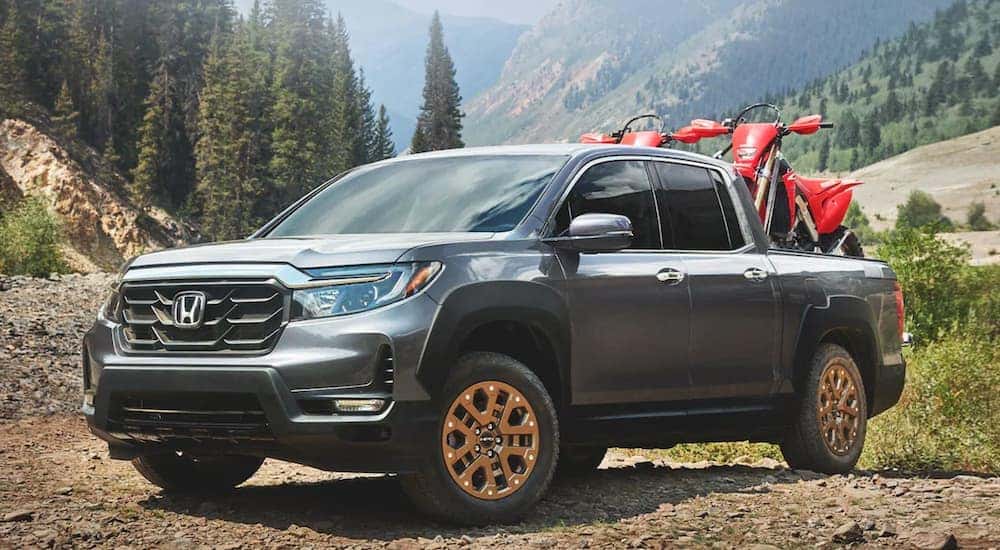
Regardless of where the trip takes you, you may find it helpful to have an extra car charger, a cell phone holder, sunglasses, wet wipes, extra clothes for layering, hand sanitizer, and a first aid kit. Even if it’s not warm, remember to bring sunscreen since your car windows won’t protect you from sun exposure. With the amount of time you will be spending in the vehicle, comfort is going to be crucial.
#11. Make a Checklist
Whether it’s the packing list of clothes, a grocery list for meals and snacks, or a list of what to check on the multipoint inspection, it’s helpful to have an itemized list detailing all the things to remember before a long trip. This will help keep you and your fellow travelers organized and give you a chance to do the satisfying task of crossing out items as you go.
Good Planning Is Key
Remember, lists aren’t about making it harder to pack and get ready. Planning ahead is about being smart, safe, and prepared. Once all your items are together and your car has been checked, pack your things in a way that makes them easily accessible without blocking any visibility. Get a solid night’s sleep before departing, maybe do a few stretches before getting in the car, and finally, have an amazing time on your road trip.
0 comment(s) so far on How Do I Prepare My Truck for Road Trips?